Problem Identification:
High Vibration During Commissioning:
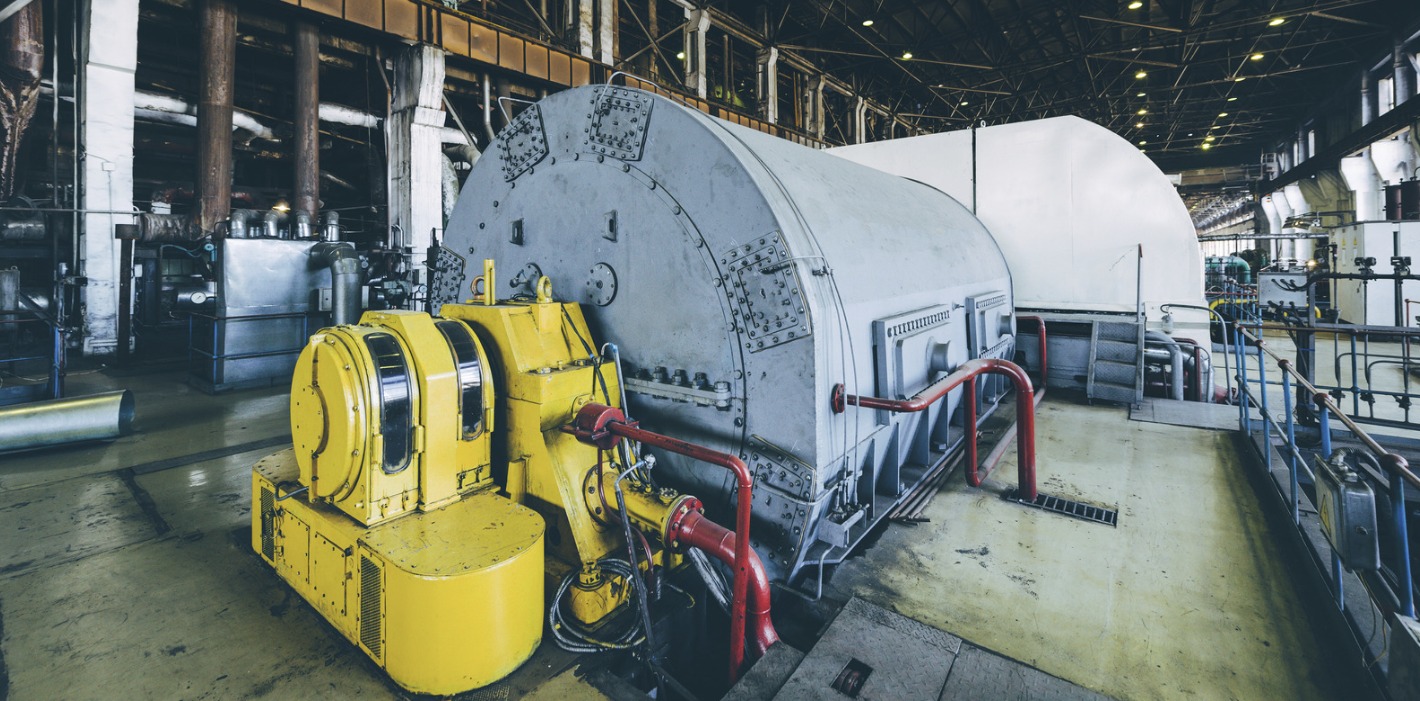
At a thermal power plant, the Resonance Institute technical team was called to the site to perform rotordynamic vibration measurements on the turbine-generator unit during routine start up and load up operations.
Measurement Findings:
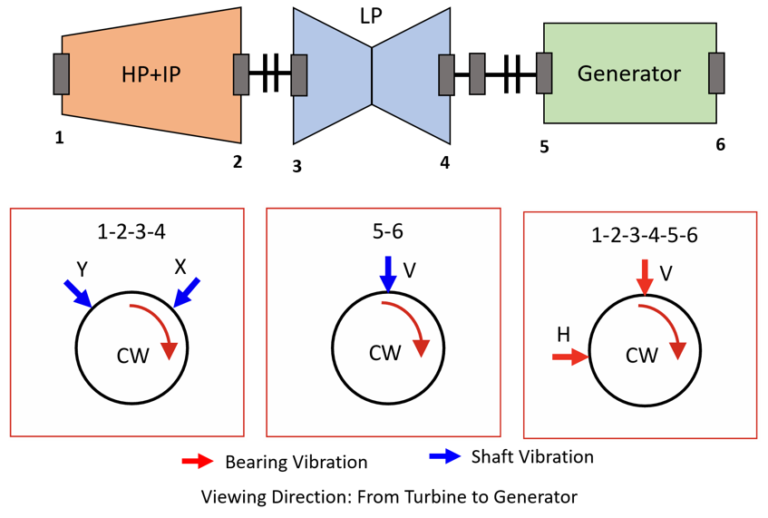
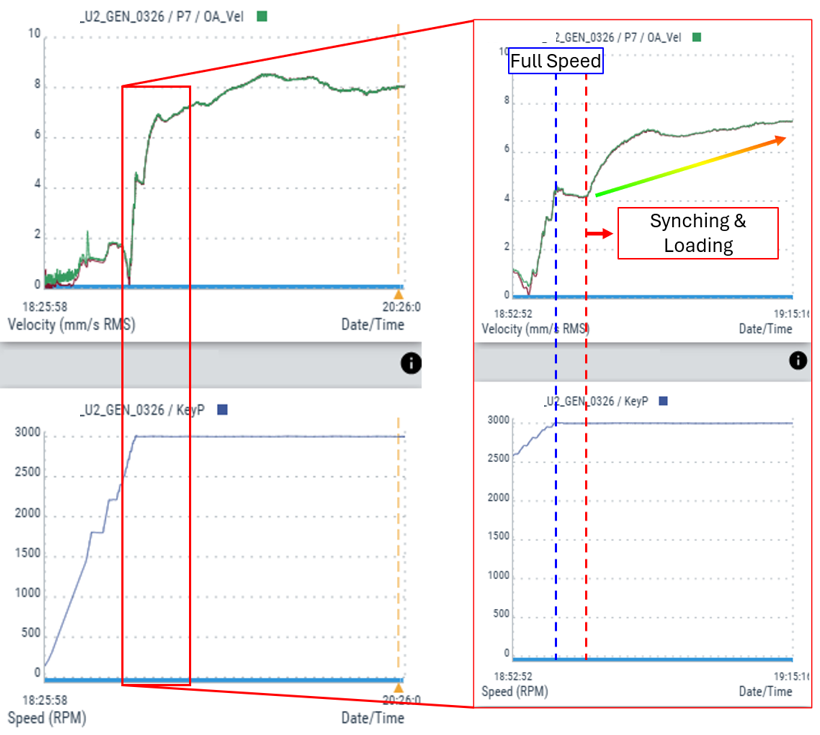
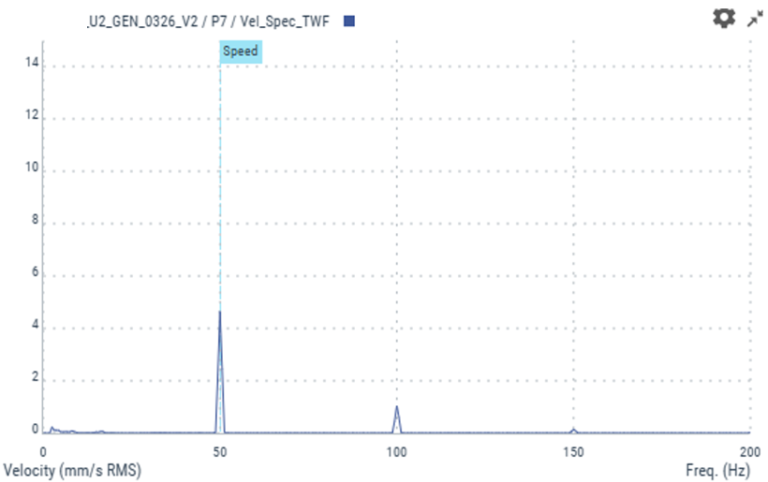
The horizontal vibration of the LP turbine and generator was found to be dominant. During the run up phase, the vibration exhibited an unbalance characteristic, remaining at approximately 1–2 mm/s RMS up to 2700 RPM before increasing to approximately 4.1 mm/s RMS as the speed approached 3000 RPM.
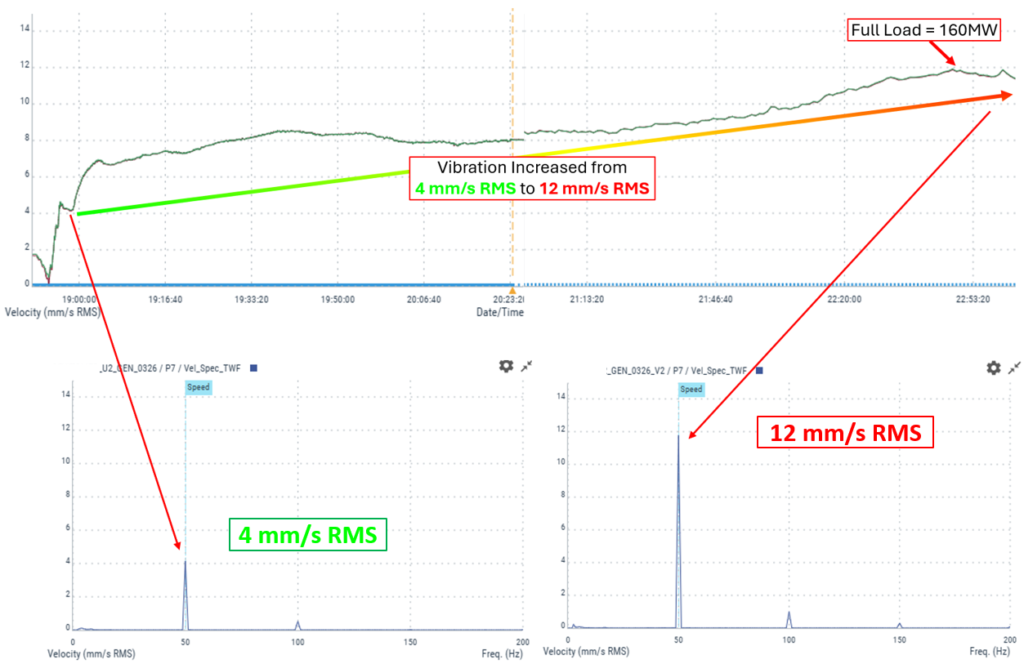
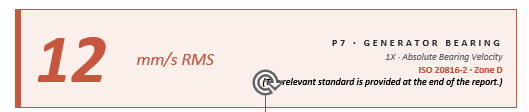
The main increase in vibration occurred after reaching full speed and synchronization, during the load-up phase. As the load increased, vibration gradually increased, reaching approximately 12 mm/s RMS at full load.
Diagnosis: Misalignment – Soft Foot
Dominant Vibration in the 1X Horizontal Direction
-
Based on the field measurements and analyses performed by the Resonance Institute technical team, vibration increasing with heating and loading at constant speed was evaluated as an indication of misalignment, preload, or excessive force in steam turbines. Unidirectional forces generated during loading and heating may alter rotor-bearing positions; misaligned couplings/bearings, foot and foundation connection problems, and piping strain in steam lines may cause this behavior.

-
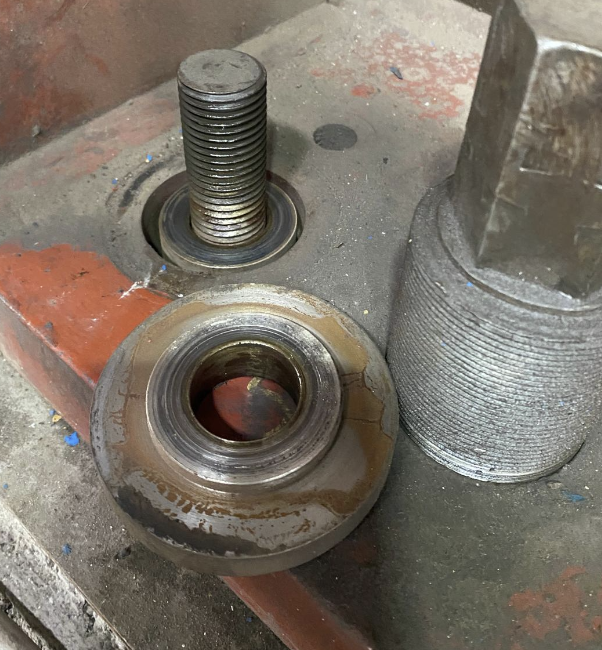
Field inspection of the machine feet revealed problems with the bolted connections, including bolts bottoming out against the foundation and looseness at the feet. In addition, the use of 7–8 shims per foot was confirmed to have resulted in a soft-foot condition.
Engineering Solution:
-
Rapid On-Site Correction
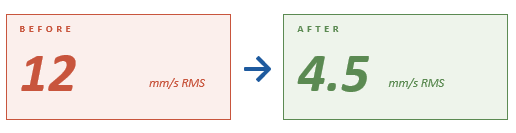
The foot mounting bolts were tooled to the appropriate dimensions, and the shims were rearranged using the appropriate number and sizes. As a result, the vibration level was reduced to approximately 4.5 mm/s RMS.
Result: 3× Improvement
Before ↔ After Correction Comparison
-
The improvement achieved through the on-site intervention by the Resonance Institute technical team was confirmed by follow-up measurements.
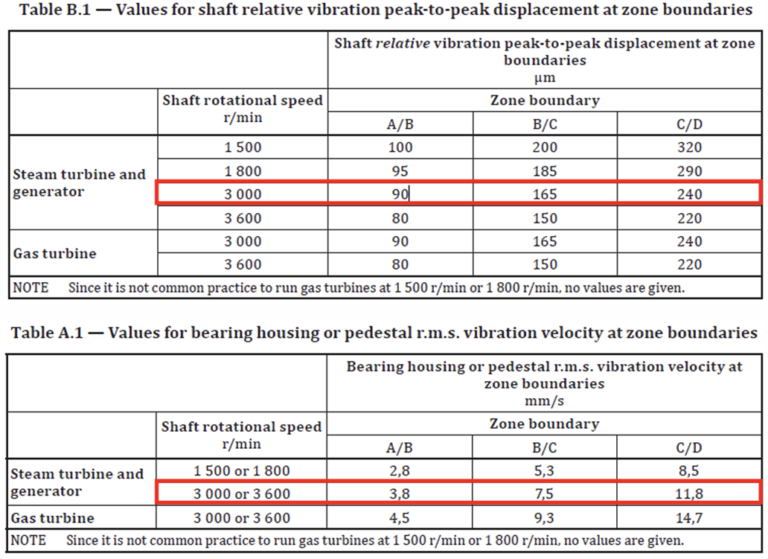
Appendix-1: ISO 20816-2 Vibration Standard
0/5
Türkçe (Turkish)
English (İngilizce)