Vibration Analysis
Vibration Analysis
Did you know your equipment has a fingerprint?
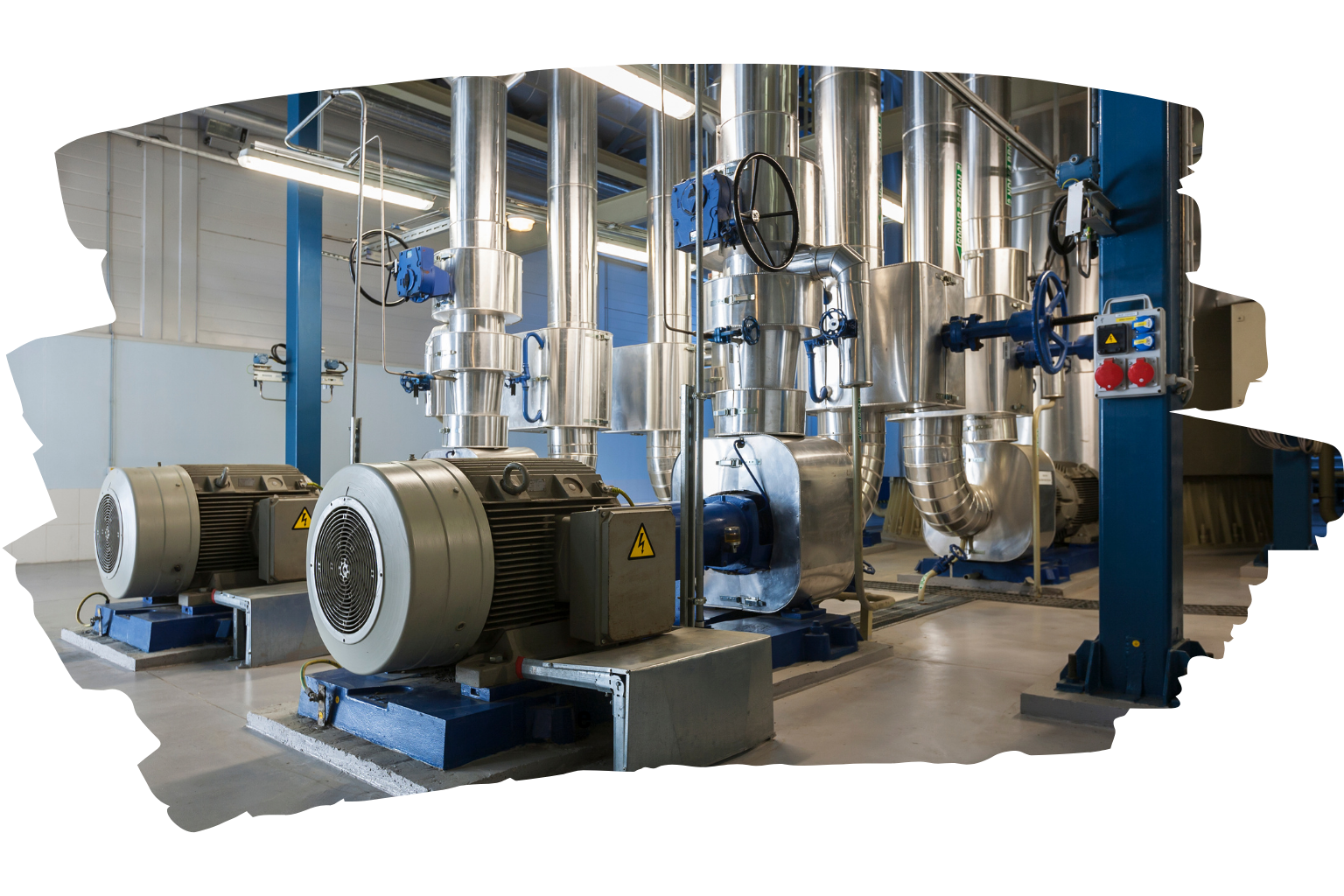
Vibration analysis is one of the most effective methods for monitoring the health of rotating equipment, diagnosing faults early, and streamlining maintenance processes. At Resonance Institute, we offer customized solutions for your facilities with our expert engineering team and advanced measurement technologies.

Our periodic measurement service, which provides regular monitoring of critical equipment, is designed to detect potential malfunctions early on. The techniques used during measurement include:
These methods are applied at variable and constant speed ranges, while the machine is operating under load. The data collected:
In this way, not only equipment health but also production continuity and maintenance effectiveness are ensured.
Advanced measurements designed for complex, chronic problems that cannot be diagnosed with conventional analyses require high expertise and advanced analysis techniques. Key features of this service:
It’s particularly applicable to equipment with high dynamic sensitivity, such as turbines, compressors, large motors, and gearboxes, allowing direct identification of malfunction causes. This eliminates time-consuming trial-and-error processes.
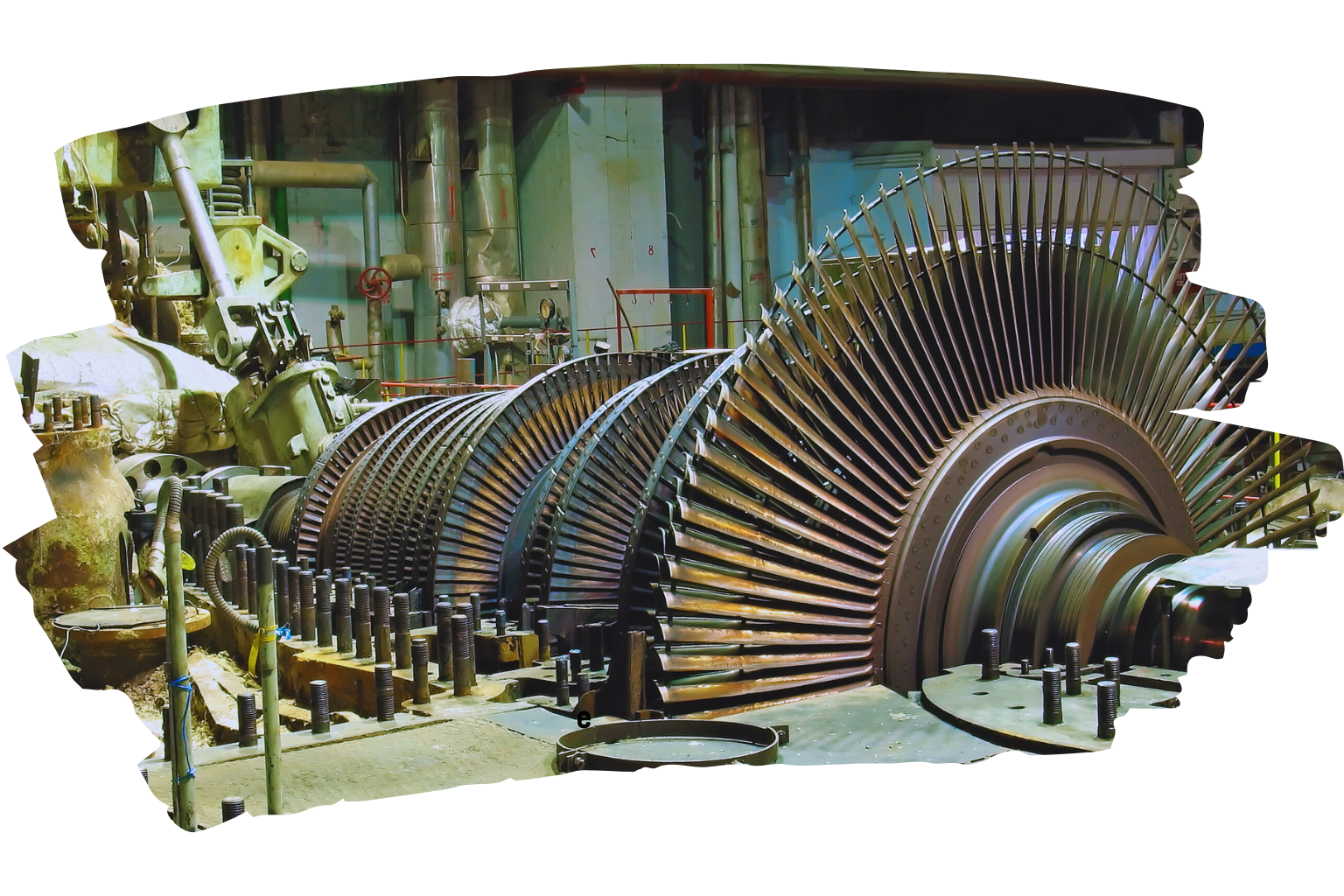
The dynamic characteristics of high-speed, critical machines (e.g., steam/gas turbines, process compressors) cannot be analyzed using traditional methods. Our expertise in this area allows us to monitor machine behavior in real time across all operating modes:
As a result, the machine’s lifespan is extended, its safety is enhanced, and process stability is strengthened.
Resonance is the phenomenon in which the vibration response (amplitude) of a mechanical system increases significantly when it is subjected to an external coercive force at a frequency equal to or very close to its natural frequency.
Structural vibrations can pose a significant risk, affecting not only equipment but also the entire manufacturing infrastructure. At Resonance Institute, we utilize advanced techniques to diagnose structural resonances and system behavior:
Based on these analyses, we offer scientific solutions for structural improvements such as reinforced concrete foundation reinforcement, increased platform rigidity, and machine layout changes. This preserves system integrity and enhances production safety.
Structural Health Monitoring (SHM) is not about “installing sensors”; it is an architecture designed around the structural behavior of the asset.
Before establishing and commissioning an SHM architecture, we conduct structural vibration measurements to define the structure’s current condition under real field conditions. To capture the structural response under wind, traffic, and seismic excitations, we apply the Operational Modal Analysis (OMA) method to extract dynamic identification parameters such as natural frequencies, mode shapes, and—where applicable—damping ratios.
These data support the accurate design of sensor layouts and evaluation logic within the SHM architecture, enable correlation of design/CAE–FEM models with field measurements, and allow changes over time to be tracked and translated into actionable technical outputs.
Our work is applicable to a wide range of structures, including critical public buildings and high-rise buildings, bridges, viaducts and tunnels/infrastructure systems, wind turbine towers, and heritage structures.
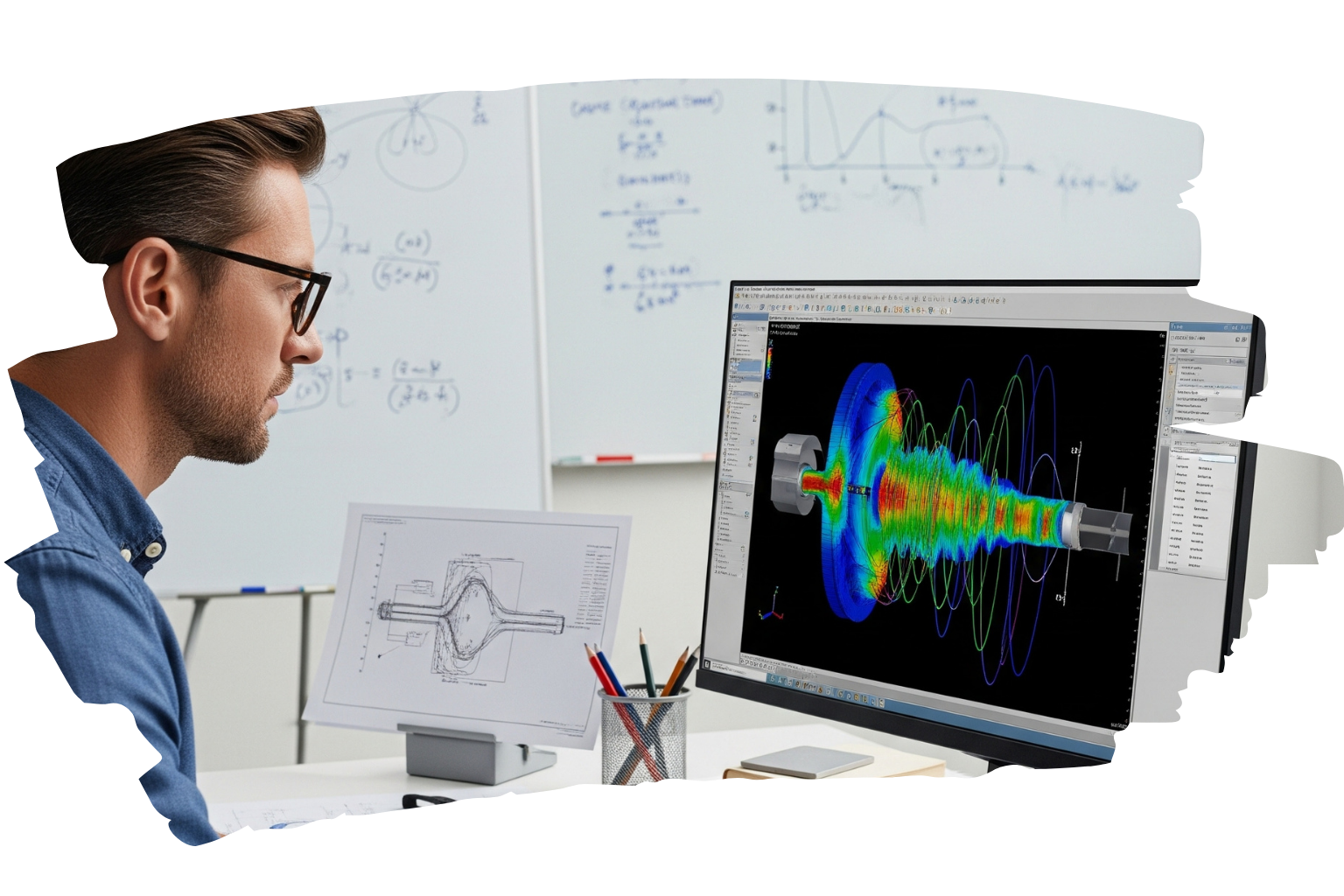
The Finite Element Method (FEM) is a powerful technique used to numerically solve complex engineering problems. It is used particularly in vibration and flow analysis to understand, predict, and optimize the behavior of structures and systems. FEM allows for precise analysis of the effects of vibrations and fluid behavior, improving design reliability and performance.
Küçükbakkalköy Mah. Ali Ay Sok. No.19/1 Ataşehir İstanbul